
Best Grass Seed for Kansas City Lawns: Comparing Tall Fescue, Zoysia, and Kentucky Bluegrass
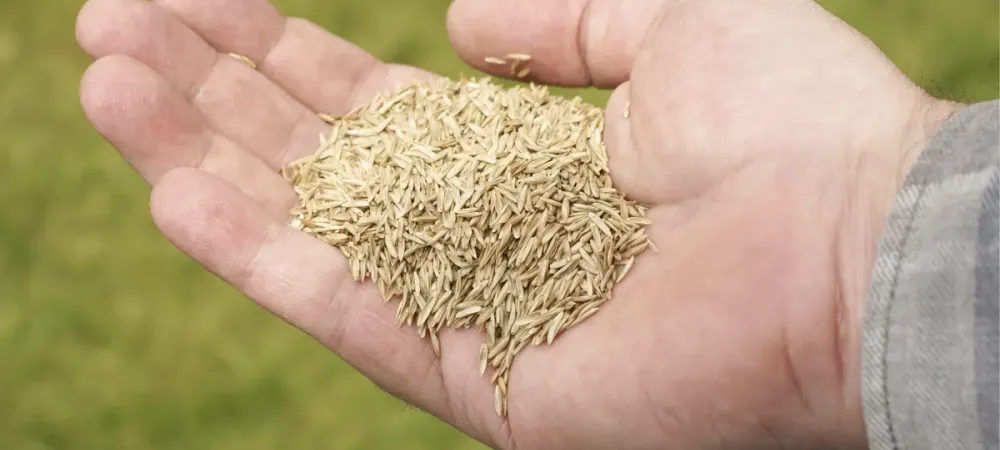
Picking the wrong grass for your Kansas City lawn is an expensive mistake that takes years to correct. The Kansas City metro sits in the heart of the transition zone, a climate region that is simultaneously too hot for most cool-season grasses in peak summer and too cold for warm-season varieties in winter. No single grass is perfect for every yard here, and choosing based on what looks good at the garden center rather than what actually fits your soil, sun exposure, and maintenance preferences leads to thin, struggling turf. This guide breaks down the three most common grass types in the area so you can make the right call before you put a single seed or plug in the ground.
Quick Answer
Tall fescue is the most practical choice for most Kansas City homeowners: it tolerates heat better than Kentucky bluegrass, establishes from seed, and stays green through spring and fall. Zoysia wins on summer heat tolerance and low water needs, but goes dormant and brown from late fall through mid-spring. Kentucky bluegrass produces the finest-looking lawn of the three but requires more water, more disease management, and does not survive Kansas City summers as reliably without consistent irrigation.
What KC Homeowners Should Know First
- Tall fescue is the dominant cool-season grass on both the Kansas and Missouri sides of the metro and is the easiest to establish from seed.
- Zoysia spreads slowly and is typically installed as plugs or sod, not seeded, which increases upfront cost but reduces long-term maintenance.
- Kentucky bluegrass performs best when blended with tall fescue, which allows bluegrass to spread and fill bare spots while fescue carries the lawn through summer stress.
Why Kansas City Is One of the Hardest Places to Grow a Lawn
Most lawn guides are written for climates where one grass type clearly dominates. Kansas City does not have that luxury. Average summer highs push into the 90s, and soil temperatures regularly exceed 85°F, which shuts down root activity in cool-season grasses. Winters bring hard freezes that can kill warm-season grass crowns if they are not fully cold-hardy. Soils across the metro lean heavily clay, which compacts easily and holds heat, making summer stress worse for shallow-rooted varieties.
According to K-State Research and Extension, turfgrass selections are among the most important decisions a turf manager makes, and grasses that are well-suited to the environment are more likely to exhibit desirable aesthetic characteristics and perform as intended (Hoyle, Turfgrass Selection). In other words, starting with the right grass eliminates the majority of problems before they ever surface.
We've worked on Kansas City lawns for over 40, and the pattern is consistent: the homeowners who struggle year after year almost always started with the wrong grass type or tried to grow a single species where a blend would perform far better.
Tall Fescue: The Workhorse of Kansas City Lawns
Tall fescue is the most widely planted cool-season grass on both the Kansas and Missouri sides of the Kansas City metro, and for good reason. It produces a deep root system that can reach several inches into the soil, giving it better drought tolerance than Kentucky bluegrass during the dry stretches that are common in Kansas summers. It tolerates partial shade reasonably well, germinates reliably from seed in late August through September, and holds its color through spring and fall without the level of irrigation that bluegrass demands.
The tradeoff is that tall fescue is a bunch-type grass, which means it does not spread by underground runners. When a section dies or thins out, it does not fill back in on its own. Those bare spots need to be overseeded, which is why pairing fall aeration and overseeding with a quality tall fescue blend is standard practice for maintaining density on KC lawns. K-State Extension notes that tall fescue is a popular choice for Kansas lawns because it grows well under a variety of conditions, including sunny or semi-shady sites and wet or dry soil (Fagerness, Fertilizing Kansas Lawns).
Tall fescue is also the most disease-resistant of the three grass types under typical Kansas City growing conditions, though it is not immune. Brown patch fungus is the primary threat during hot, humid periods. If your lawn has struggled with fungal issues, our guide on common lawn diseases affecting Missouri turfgrass covers the specific pathogens to watch for and how to manage them.
Best fit for tall fescue:
- Yards with mixed sun and shade conditions
- Homeowners who want year-round green color without aggressive irrigation
- Lawns where seeding is preferred over sod for cost reasons
- Properties with clay-heavy soil that compacts under foot traffic
Zoysia: The Summer Champion with a Long Dormant Season
Zoysia is the warm-season option that has gained the most traction in the Kansas City area over the past two decades, and the appeal is understandable. An established zoysia lawn in midsummer looks dense, carpet-like, and requires significantly less water than either cool-season option. It handles foot traffic exceptionally well and resists most of the pests and diseases that plague fescue and bluegrass during heat stress. K-State's updated zoysia guide confirms that zoysia is heat- and drought-resistant and winter-hardy, but notes that the key tradeoff is a late spring green-up and early brown-out in fall after the first hard frost (Fry, Zoysiagrass in Kansas).
That dormancy window is the sticking point for many Kansas City homeowners. Zoysia typically goes dormant in October or November and does not return to green until late April or May, depending on the spring. For lawns that see heavy use from fall sports, entertaining, or kids playing outside, a brown yard from Halloween through Mother's Day is a real quality-of-life issue. For homeowners who prioritize a low-maintenance summer lawn and can live with winter dormancy, zoysia is genuinely hard to beat.
One more practical consideration: Zoysia is almost never established from seed in home lawns. The Zenith cultivar is the most widely available seeded variety, but most installations use plugs or sod, which costs considerably more upfront than seeding fescue. The grass also spreads slowly, taking two to four years to achieve full coverage from plugs. That patience and investment pays off in reduced summer irrigation and mowing frequency, but it is a longer runway to a finished lawn. For more on how different grass types hold up during dry summers, our post on drought-tolerant grass types in Kansas and Missouri goes deeper on water-use comparisons.
Best fit for zoysia:
- Full-sun yards with minimal shade (zoysia struggles in shade)
- Homeowners focused on minimizing summer watering and mowing
- Properties where a brown winter lawn is acceptable
- Situations where the upfront sod or plug cost is manageable
Kentucky Bluegrass: Beautiful but Demanding in the KC Climate
Kentucky bluegrass produces the finest-textured, richest-looking lawn of the three options. Its blue-green color, soft feel, and dense turf are what most homeowners picture when they imagine the ideal lawn. It also has one significant advantage over tall fescue: it spreads through underground rhizomes, which means bare spots and thin areas can recover on their own without overseeding.
The problem is that pure Kentucky bluegrass struggles in Kansas City's summer heat without consistent, deep irrigation. Its roots are shallower than those of tall fescue, and it is less tolerant of prolonged high temperatures. Disease pressure, particularly summer patch and necrotic ring spot, can be severe on bluegrass-dominated lawns during hot, wet summers. It also requires more nitrogen annually than tall fescue, adding to both cost and maintenance time. Preparing your bluegrass lawn for extreme temperatures is also part of the equation, and our detailed guide on winter lawn care in Kansas City for fescue and bluegrass covers the cold-weather side of those demands.
In our experience, the most successful approach to Kentucky bluegrass in Kansas City is to use it as part of a blend rather than as a standalone lawn. A mix of 80 to 90 percent turf-type tall fescue with 10 to 20 percent Kentucky bluegrass gives you fescue's heat and drought tolerance as the foundation, with bluegrass present to spread and fill in damaged areas. Many of the best-looking lawns we've maintained over the years in Overland Park, Leawood, and Lee's Summit use exactly this combination.
Best fit for Kentucky bluegrass (or bluegrass blend):
- Irrigated lawns where summer watering is consistent and reliable
- Homeowners who prioritize appearance over low-maintenance
- Lawns are being established as a fescue/bluegrass blend, not a pure stand
- Yards with well-draining soil and full to mostly full sun
How to Choose the Right Grass for Your Kansas City Yard
Before you buy seed or sod, answer these four questions honestly. The answers will point you toward the right grass type more reliably than any general recommendation:
- How much shade does the yard get? Zoysia does not tolerate shade well and struggles under a tree canopy. Tall fescue handles partial shade and is the better choice for shaded sections.
- Do you have an irrigation system, or are you willing to hand-water? Kentucky bluegrass needs regular summer irrigation to avoid dormancy and disease. Tall fescue and zoysia are more forgiving without supplemental watering.
- Can you accept a brown lawn in winter? Zoysia will be dormant and straw-colored from roughly November through April. Both cool-season grasses stay green through fall and spring.
- Are you seeding or installing sod? Tall fescue and Kentucky bluegrass can be seeded in fall at low cost. Zoysia almost always requires plugs or sod and costs significantly more to establish.
Soil testing is also worth doing before any new planting. Kansas City's clay soils frequently have pH imbalances and nutrient deficiencies that limit germination and early root development regardless of grass type. A basic soil test from the K-State Research and Extension office or a local lab runs a small fee and can save you from planting into conditions that set your new lawn back before it starts.
When to Plant Each Grass Type in Kansas City
Timing is almost as important as variety selection. Plant cool-season grasses at the wrong time of year and you spend money on seed that either gets scorched in summer heat or washed out by winter before it can root properly.
Tall fescue and Kentucky bluegrass both perform best when seeded in late August through mid-September. Soil is still warm enough to support germination, air temperatures are cooling, and there are several weeks of moderate weather before the first frost. Spring seeding is a secondary option but competes with crabgrass and spring weeds, making fall the preferred window by a wide margin. Zoysia plugs and sprigs should be installed between late April and June, when soil temperatures are consistently warm enough to support active warm-season root growth.
Getting Professional Help with Grass Selection and Seeding
Choosing the right grass is one decision. Getting it established and thriving is another. Soil preparation, seeding rate, watering schedule during germination, and the timing of the first mowing all affect whether a newly seeded or plugged lawn takes hold or struggles. We've seen plenty of correctly chosen seed fail because of poor soil contact, over- or under-watering, or seeding too late in the season to establish before frost.
At Quality All-Care Lawn Services, our team has spent over 40 working with the specific soil types, micro-climates, and grass species common across the Kansas City metro. Whether you are starting a new lawn from scratch, renovating a struggling existing lawn, or adding aeration and overseeding to a maintenance program, our lawn care services are built around what actually works here, not generic advice written for a different climate. Request a free estimate or call us at 913-372-3009 to talk through your specific situation with a local expert.
Conclusion
For most Kansas City homeowners, tall fescue or a tall fescue and Kentucky bluegrass blend is the right starting point. It establishes easily from seed, handles the climate's extremes better than pure bluegrass, and stays green through the seasons that matter most to most families. Zoysia is the right answer for full-sun lawns where summer water conservation and low mowing are top priorities, and where a dormant winter appearance is acceptable. Kentucky bluegrass earns its place in blends and in irrigated yards where appearance is the primary goal. Know your yard, match the grass to what it can actually support, and you will spend far less time and money correcting problems down the road. If you need a professional eye on the ground before you decide, our team is here to help. Get a free estimate today.
Sources
- Fry, Jack. "Zoysiagrass in Kansas." Kansas State University Agricultural Experiment Station and Cooperative Extension Service, Mar. 2025, bookstore.ksre.ksu.edu/pubs/mf683.pdf.
- Fagerness, Matthew J. "Fertilizing Kansas Lawns." Kansas State University Agricultural Experiment Station and Cooperative Extension Service, Jan. 2001, bookstore.ksre.ksu.edu/pubs/fertilizing-kansas-lawns_MF2324.pdf.
- Hoyle, Jared. "Turfgrass Selection, Professional Series." Kansas State University Agricultural Experiment Station and Cooperative Extension Service, July 2017, bookstore.ksre.ksu.edu/pubs/turfgrass-selection-professional-series_MF2032.pdf.