
When to Fertilize and Aerate in Kansas City: A Month-by-Month 2026 Schedule
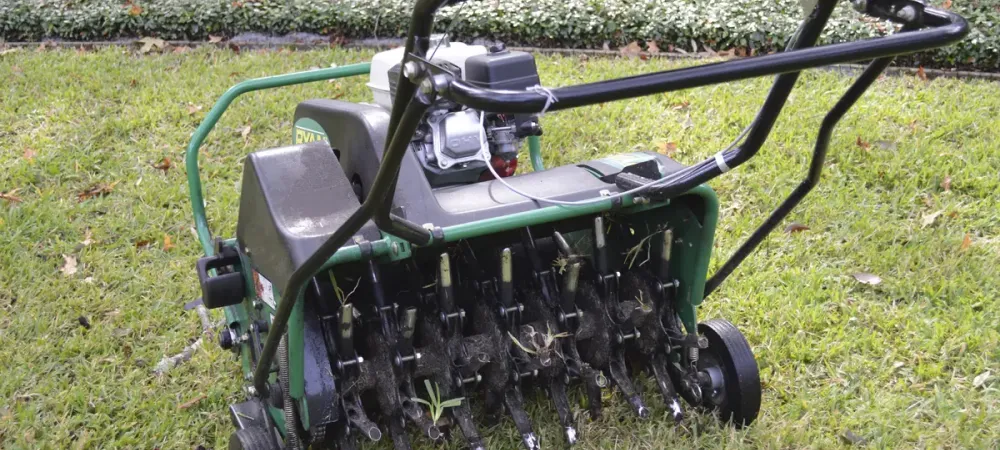
For cool-season grasses like tall fescue and Kentucky bluegrass, the most important fertilization window is September through early November, with a lighter spring application in April. Aeration is best done in late August through September, ideally the same day as overseeding.
Warm-season grasses like zoysia should be fertilized from late May through July and aerated in May or early June when actively growing.
A green, dense lawn does not happen by accident in Kansas City. The KC area sits in what turf scientists call the "transition zone," where summers get hot enough to stress cool-season grasses and winters get cold enough to push warm-season varieties into early dormancy. Getting the timing right on fertilization and aeration is the difference between a lawn that thrives and one that staggers through summer looking thin and yellowed. This 2026 calendar gives you a clear, month-by-month plan built around the actual weather patterns and grass types most Kansas City homeowners manage.
Fast Facts for KC Lawns
- Fall is the single most important fertilization period for cool-season grasses in Kansas City.
- Core aeration (hollow tines) removes plugs of soil and thatch to relieve compaction and improve root access to nutrients.
- Fertilizing during a summer drought or when temperatures exceed 90°F can cause serious fertilizer burn on cool-season turf.
Why Timing Matters More Than Product in Kansas City
Most homeowners focus on choosing the right fertilizer brand when the bigger variable is when they apply it. Kansas City lawns face a narrow window of optimal growing conditions: cool-season grasses like tall fescue and Kentucky bluegrass thrive in spring and fall but essentially pause growth in peak summer heat. Apply nitrogen when the grass cannot use it and you end up feeding the weeds, pushing disease, or watching fertilizer wash into storm drains.
Aeration follows the same logic. According to K-State Research and Extension, roots make up 90 percent of the grass plant and require oxygen to thrive, but soil compaction restricts the oxygen supply and inhibits root growth (Hoyle and Braun). Aerating at the wrong time of year, such as mid-summer for fescue, puts a stressed plant through additional trauma with little recovery time. Pair the right task with the right month, and your lawn can actually use the help.
In our experience, homeowners who follow a structured seasonal calendar consistently outperform neighbors who apply fertilizer in the spring "when it feels like time." The calendar below reflects guidance from K-State and MU Extension, adjusted for typical Kansas City weather patterns across both sides of the state line.
The 2026 Kansas City Lawn Calendar: Month by Month
Kansas City's calendar applies most directly to the cool-season grasses that dominate lawns in the metro area, primarily tall fescue and Kentucky bluegrass. Zoysia lawns, which are more common in the southern parts of the service area, follow a separate warm-season rhythm noted in each relevant month. If you are unsure which grass type you have, check out our guide on spring lawn care in Kansas City for identification tips.
January and February: Rest and Prepare
Your lawn is fully dormant and needs nothing from you right now in terms of product applications. This is a good time to service your spreader, order a soil test kit, and plan your schedule for the year ahead. Soil testing is the foundation of any smart fertilization program. According to K-State's lawn fertilizing guide, the best way to determine what your lawn needs is to have the soil tested, and your local K-State Research and Extension office can provide instructions and guidance (Fry). If you test now, you'll have results back well before spring application windows open.
March: Hold Off, But Watch Soil Temps
Cool-season grasses begin to green up as soil temperatures climb above 45°F, and it is tempting to fertilize the moment you see green. Resist it. Applying nitrogen before the grass is actively growing mostly benefits cool-season weeds, not your turf. If you plan to apply a crabgrass preventer in late March or early April, read the label carefully since many preemergence herbicides have a waiting period before you can overseed.
April: Light Spring Fertilization for Cool-Season Grasses
By mid-April, cool-season grasses are in active growth and can benefit from a modest nitrogen application. This is not the primary fertilization event for the year. MU Extension recommends applying 0.5 to 1 pound of nitrogen per 1,000 square feet in spring, preferably with a slow-release fertilizer, and avoiding heavy applications that push excessive top growth at the expense of root development (Fresenburg). A slow-release product at a conservative rate sets you up for a healthy summer without the surge-and-crash cycle that leads to disease. Do not fertilize warm-season grasses like zoysia yet. They are still dormant.
May: Green-Up for Warm-Season Grasses
Zoysia lawns hit their first active growth phase as soil temperatures consistently reach 65°F or higher, typically in late May in the Kansas City area. This is when warm-season grasses can receive their first fertilization of the year. For zoysia, this is also the preferred aeration window. Aerating during active growth allows the turf to recover quickly and fill in the small surface holes left by the machine. Cool-season lawns should not be aerated in May because the approaching summer heat limits recovery time.
June and July: Summer Holding Pattern for Fescue and Bluegrass
This is the danger zone for cool-season lawns. High temperatures cause tall fescue and Kentucky bluegrass to slow or halt growth and shift into a semi-dormant state to conserve resources. Do not fertilize cool-season grasses during this period. Nitrogen during heat stress pushes weak top growth, makes the lawn more vulnerable to fungal disease, and can cause burn. We've seen many well-intentioned summer fertilizer applications undo months of healthy progress. Your only job with cool-season grass this time of year is to water deeply and infrequently to prevent wilting and protect the crowns.
Zoysia lawns, on the other hand, are in full stride. A second fertilizer application in late June or July keeps warm-season turf thick, green, and competitive against weeds. Use a product with a measured nitrogen rate and avoid overapplication, which encourages thatch buildup in zoysia.
Late August: Prepare for the Most Important Month of the Year
As temperatures begin to moderate in late August, cool-season grasses wake back up. This transition period is when you set the stage for fall treatment. If you plan to aerate and overseed, schedule it for late August through mid-September. Mow your lawn slightly shorter than normal heading into this window to help seed-to-soil contact after aeration. Avoid applying any fertilizer to cool-season turf until after aeration and any overseeding is complete, since nitrogen can interfere with germination.
For a deeper look at how to make the most of this late-summer period, our guide to fall lawn care in Kansas City covers complementary steps like dethatching and leaf management.
September: The Single Most Important Month for KC Lawns
If you do only one major lawn care event all year, make it September. This is when cool-season grasses in the Kansas City area have the ideal conditions for uptake: moderate temperatures, reliable rainfall, and plenty of weeks left before winter stress. MU Extension notes that September is the most important time to fertilize cool-season lawns, applying 1 to 1½ pounds of nitrogen per 1,000 square feet using a well-balanced lawn fertilizer (Fresenburg). K-State similarly advises that nitrogen applied in September helps thicken the stand and builds root energy reserves for winter.
September is also the prime window for aeration and overseeding on cool-season lawns. Core aeration punches hollow plugs out of the soil, relieving compaction and creating small pockets where overseed can make direct contact with loosened soil. When you aerate and overseed on the same day, germination rates improve significantly. Seed scattered over hard, compacted ground has a much lower success rate than seed dropped directly into freshly aerated cores.
For lawn grasses and soil types common across the Kansas City metro, including the heavy clay soils found in many neighborhoods on both the Kansas and Missouri sides, annual fall aeration makes a noticeable difference in turf density and color heading into the following spring.
October: Second Fall Fertilization
A follow-up fertilizer application in late October continues building root reserves for winter. By this point, most top growth has slowed as daytime temperatures cool, so the nitrogen you apply goes primarily toward root development and carbohydrate storage rather than leaf production. This is sometimes called a "winterizer" application. Use a product with a slower release to feed gradually as temperatures drop. Avoid applying after the grass has gone fully dormant since the fertilizer cannot be taken up and will simply sit on the surface until spring, potentially running off during winter rains. Check our older post on when to fertilize your Kansas City lawn for additional guidance on grass-type considerations.
November: Final Check and Winterize
By early November, most cool-season lawns in Kansas City are slowing to a stop. If you missed the October application, you can still apply a light fertilizer in the first week or two of November before hard freezes set in. After that, let the lawn rest. Zoysia and other warm-season grasses are dormant by now and need no attention until spring.
December: Done for the Year
No fertilizer, no aeration. Keep foot traffic minimal on dormant turf to avoid compacting frozen soil. If you had disease or bare patch issues this past season, note them now so you can address them with your spring plan.
Warm-Season vs. Cool-Season: Which Grass Do You Have?
Knowing your grass type is the foundation of every scheduling decision. The majority of Kansas City lawns are cool-season, dominated by tall fescue, Kentucky bluegrass, or a blend of the two. These grasses are dark green from October through June and go thin and stressed during the hottest summer months. Zoysia lawns are increasingly popular in the KC metro, especially in newer subdivisions and sun-drenched backyards. Zoysia goes brown and dormant in winter but stays aggressively green and thick during summer, which makes it nearly the inverse of fescue on the calendar. Getting these two schedules mixed up is one of the most common and costly mistakes we see in the area.
Signs Your Lawn Needs Aeration Right Now
Even if you are following a good schedule, certain lawn conditions signal that aeration is overdue. Watch for these patterns:
- Water pools or runs off quickly rather than soaking in after rain or irrigation.
- The lawn feels hard and dense underfoot, like compacted clay, especially in high-traffic areas near paths, driveways, or play areas.
- Thatch exceeds half an inch when you press back the grass and inspect the soil line.
- Thinning or patchy areas that do not respond to watering or fertilization.
- The turf looks pale and weak despite adequate moisture, indicating roots cannot access nutrients through the compacted layer.
Kansas City's clay-heavy soils compact faster than sandy or loam soils, which is why annual core aeration is standard practice here rather than an occasional luxury.
Tips to Get the Most from Every Lawn Application
- Always water in fertilizer after application, unless rain is forecasted within 24 hours, to move nutrients to the root zone and prevent burn.
- Mow before fertilizing, not after. Freshly cut grass can absorb nutrients more readily than tall overgrown blades.
- Apply fertilizer in two passes at right angles to each other at half the rate per pass. This minimizes skips and overlaps that leave uneven color.
- Never fertilize stressed, drought-parched turf. Grass must be actively growing and hydrated to take up and use what you apply.
- Keep fertilizer off driveways, sidewalks, and streets by sweeping up any spills. Phosphorus from lawn fertilizer is a leading contributor to water quality issues in local streams.
- Run your aeration machine in multiple directions over heavily compacted zones to increase the number of cores pulled per square foot.
When to Let a Professional Lawn Care Company Handle It
A month-by-month schedule gives you the knowledge to act, but execution is another matter. A few situations are worth bringing in professional support:
If your lawn has serious soil compaction issues, multiple bare patches, or persistent disease problems, a single aeration and overseeding pass may not be enough. A professional can evaluate whether your lawn needs renovation rather than just maintenance. If you are managing zoysia and cool-season turf in different parts of the same yard, keeping both calendars straight while applying the right products to the right zones takes equipment and attention to detail that is easy to get wrong without experience. And if you have missed several consecutive years of aeration and fertilization, getting the lawn back on track often requires a more aggressive program in year one before shifting to routine maintenance.
At Quality All-Care Lawn Services, our team has been taking care of Kansas City lawns since 40. Our lawn care program is built around the same seasonal science behind this schedule. We take the guesswork out of timing, product selection, and application rates so your lawn gets exactly what it needs at exactly the right moment in 2026 and beyond. Get a free quote today or call us at 913-373-3009 to talk through your lawn's specific needs.
The Kansas City growing season rewards lawns that are treated on a disciplined calendar and penalizes those that are not. For cool-season turf, September is king: that single fertilization event, paired with core aeration and overseeding, does more for long-term lawn health than any other treatment combination of the year. For warm-season grasses, the May through July window carries the same weight. Stick to the calendar above, match your products and timing to your grass type, and your 2026 lawn season will look and perform better than last year's. If you are ready to put this plan into action, request a free estimate from our local team, and we will build a custom schedule for your specific yard.
Sources
- Hoyle, Jared, and Ross Braun. "Aerating Your Lawn." Kansas State University Agricultural Experiment Station and Cooperative Extension Service, Feb. 2018, bookstore.ksre.ksu.edu/pubs/aerating-your-lawn_MF2130.pdf.
- Fry, Jack. "Lawn Fertilizing Guide." Kansas State University Agricultural Experiment Station and Cooperative Extension Service, Dec. 2023, bookstore.ksre.ksu.edu/download/lawn-fertilizing-guide_MF2916.
- Fresenburg, Brad S. "Cool-Season Grasses: Lawn Maintenance Calendar." MU Extension, University of Missouri, 27 Sept. 2017, extension.missouri.edu/publications/g6705.